
UV printers are a cutting-edge technology product in recent years, representing an upgraded and innovative mainstream printing device based on traditional solvent-based inkjet printers. UV printers feature instant drying, resistance to ink fading, high printing precision, and excellent print quality. They utilize a combination of LED UV lamps and oil-based inks, theoretically allowing printing on any flat material. However, some special industrial materials, due to their highly smooth surfaces, may exhibit darker print colors and a tendency to fade. So, how do we address the printing challenges of these special materials?
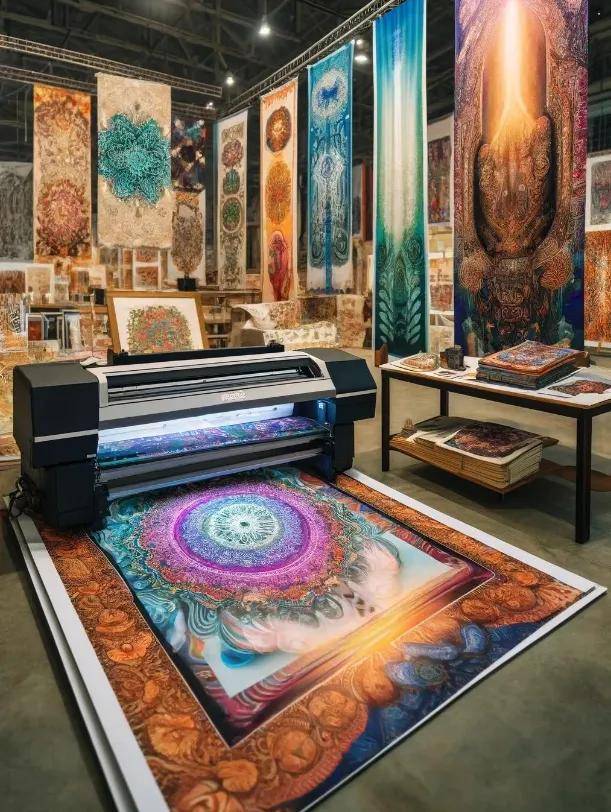
The answer lies in using a special chemical material called a coating. Let's learn about what a coating is.
1. What is UV coating?
With the continuous development of the printing industry and the advancement of technology, UV printers, a high-tech digital printing device that operates without physical contact, can perform full-color printing without any material limitations. While most materials can be printed directly with universal inks or coating-free inks, some special materials may not absorb ink or produce poor print quality. Therefore, it is necessary to use coatings to treat the surface of the object to achieve a perfect print.
When printing patterns with a UV printer, some materials require pretreatment, which involves spraying a surface treatment agent (i.e., a UV coating) onto the material's surface. The UV coating liquid is refined from special modified resins and special auxiliary materials, or from special polymer materials. The UV coating is an indispensable pretreatment material in the UV printing process. When printing patterns on special materials such as glass, metal, and leather using a UV printer, a layer of transparent treatment agent (i.e., a UV coating) must first be sprayed onto the material surface to enhance ink adhesion and ensure the pattern's durability and stability.

Many people ask whether UV printer coatings are universally applicable to various substrates. The answer is yes, if adhesion is not a concern. However, if adhesion is a concern, then no. UV printer coatings are specific to both the substrate and the ink; one coating is used for each substrate, and the ink's performance must also be considered. This results in a wide variety of UV printer coatings, such as metal coatings, ABS coatings, leather coatings, silicone coatings, glass coatings, and PC coatings. Below, we'll discuss six key aspects of UV printer coatings.
2. Core characteristics of UV coatings:
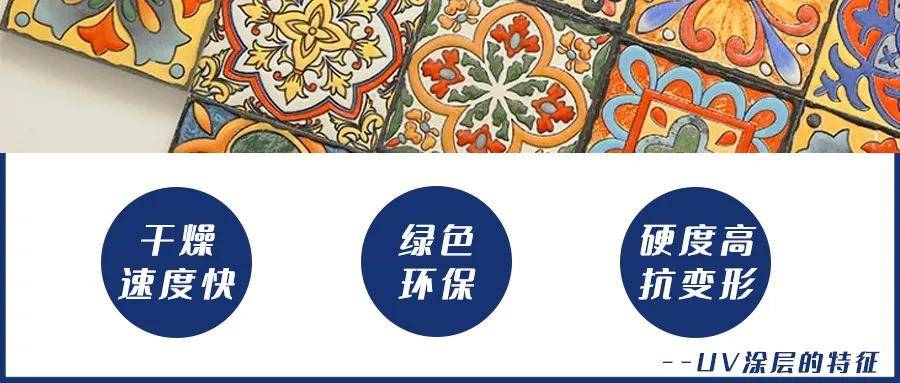
(1) Composition characteristics: It is made from special modified resins or polymer materials, is non-toxic and environmentally friendly, and is compatible with water-based, weak solvents and UV inks.
(2) Performance advantages: fast drying speed, high hardness, resistance to moisture deformation, and does not affect the color expression of the pattern.
(3) Scope of application: Widely used on materials such as glass, ceramic tiles, metal, PET, PVC, PC, ABS, and stone, it is a key step in improving printing quality.
3. UV Coating Application Methods and Precautions
Clean the substrate thoroughly, especially removing oil stains and dirt. Squeeze a small amount of coating liquid onto the substrate surface, then wipe it evenly with a non-woven cloth to cover the entire surface. Do not apply too much; no more than 8ml per square meter. Alternatively, you can use a brush, sponge, or paper towel to wipe the substrate surface. You can print immediately after applying and wiping, or wait a while before printing. It is recommended that the waiting time not exceed 10 minutes.
Precautions for use:
(1) Before printing the product, please wipe the surface of the material clean with alcohol and a lint-free cloth, and then use a lint-free cloth to evenly wipe the coating on the material, especially the edges of the material.
(2) When spraying or wiping the coating onto the product, it needs to be applied evenly. Areas should not be coated while other areas remain blank.
(3) Pay attention to the thickness of the spray. It should not be too thick or too thin. If it is too thin, it will not have any effect, and if it is too thick, it will reduce the adhesion of the pattern.
(4) After the coating is applied, wait for it to dry completely before printing for better results.
(5) The coating preparation ratio is not fixed. When the temperature and humidity change, the original ratio should be adjusted accordingly.
Top Printing Technology Tips:
(1) Use reliable UV coating materials that have undergone repeated testing by the original equipment manufacturer;
(2) Silicone material has low surface activity; therefore, it is recommended to use corona treatment instead of open flame to improve adhesion and avoid safety hazards.
(3) For leather materials, the coating must be strictly matched with the ink type. Top Printing recommends using a special coating for genuine leather to ensure the best results.
(4) Different materials require different UV coatings; never mix them.
(5) In humid and low-temperature weather, the UV coating needs to be left to dry completely for a longer period of time after spraying to achieve better results;
(6) UV coating requires adding a small amount of curing agent as needed before use. If a large amount of coating is prepared at once, the coating will dry out easily, resulting in unnecessary waste.
(7) UV coating is flammable; please keep it away from fire sources.
(8) Please store the UV coating liquid in a cool, dark place. After each use, be sure to seal it tightly before storing it.
(9) If the UV coating gets into your eyes, rinse with water immediately and seek medical attention as soon as possible.
(10) Do not leave the cap of the coating liquid container open for extended periods, as this will prevent the coating from being exposed to air for too long and cause the coating liquid components to evaporate. Before each use, it is recommended to pour a small amount into a spray bottle or plastic bottle, adding only the amount needed.
(11) Before mass production printing, it is recommended to print a small sample to test the adhesion (color fastness). Only after it passes the test should mass printing be carried out, because there will be some differences due to some special materials and coating amounts.
As the "invisible link" of the UV printing process, the scientific selection and operation of the UV coating directly affect the quality of the finished product. Top Printing will continue to deepen its research and development of UV printer technology, providing customers with more environmentally friendly and efficient pretreatment solutions.