
PVC sheets, also known as foamed sheets, Andy sheets, and Chevron sheets, are sheets made from PVC with a honeycomb mesh structure in their cross-section. They are widely used in many industries, such as building materials and packaging.
PVC is an environmentally friendly, non-toxic, and renewable resource, free of formaldehyde, heavy metals, and with low TVOC emissions. Therefore, it is widely used and crafted into exquisite pieces. PVC is mainly used for decorative materials, flooring, signage, toys, blister packaging, and industrial packaging; it is virtually ubiquitous. Because of this, aesthetic appeal is paramount. UV flatbed printers can quickly and effectively print beautiful and stunning images from PVC sheets. They can also work with designers to transform ordinary PVC pieces into exquisite masterpieces!


The images above all show PVC flooring, which can effortlessly mimic wood grain, concrete terrazzo, and more. Top Printing UV flatbed printer requires no plate making or exposure; it prints and dries instantly. It can handle mass production or single-piece printing, depending on your specific needs. It is not limited by industry or material, meeting a wide range of requirements.
PVC sheets are commonly used in the advertising industry for engraving, advertising signs, display boards, and signage. They are moisture-proof, mildew-proof, and lightweight, and their printing results are typically vibrant, durable, and scratch-resistant, making them an indispensable printing material in the advertising industry.
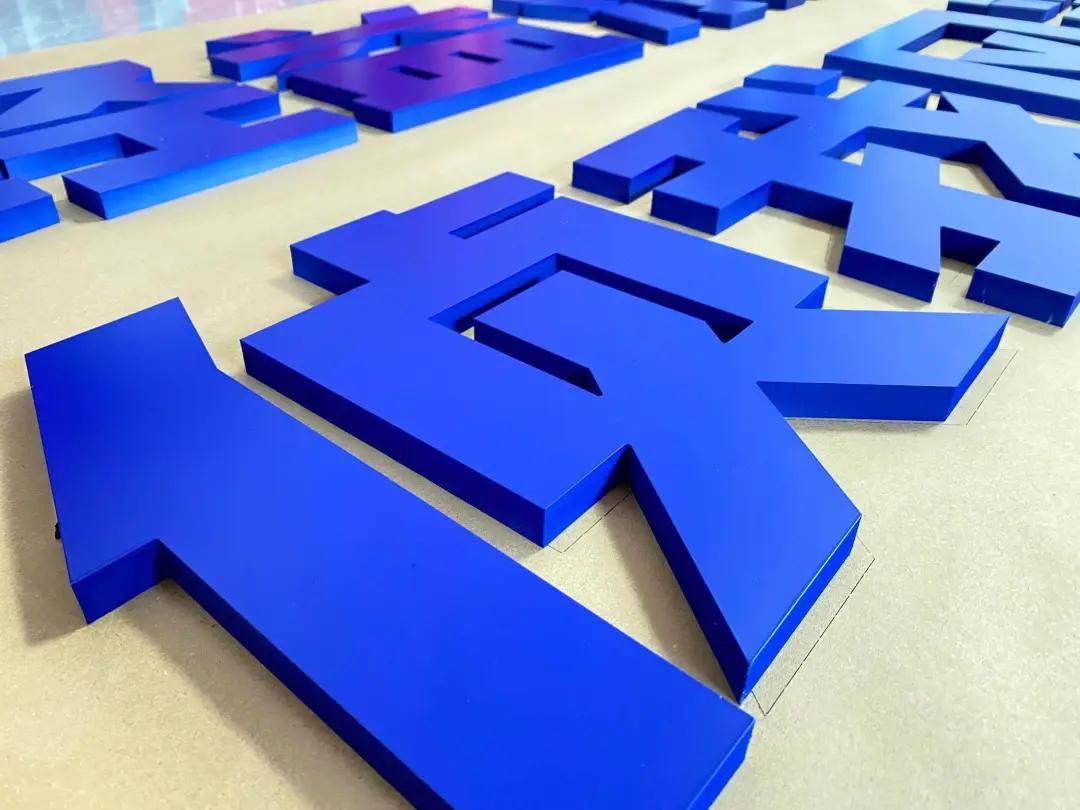

When using a UV printer to print on PVC boards, you should note the following :
- Keep the environment clean : Before printing on PVC boards , the surface of the material should be cleaned of impurities, preferably by wiping with alcohol.
- Check the material condition: Check if the PVC edges are peeling up. If necessary, use masking tape and double-sided tape to stick them back on to prevent them from scratching the printhead during printing and causing unnecessary damage.
- If necessary, turn off some of the suction devices : When printing small or engraved PVC, you can turn off the suction in the empty area of the platform to increase the adhesion of the PVC material and prevent the PVC from arching due to heat.
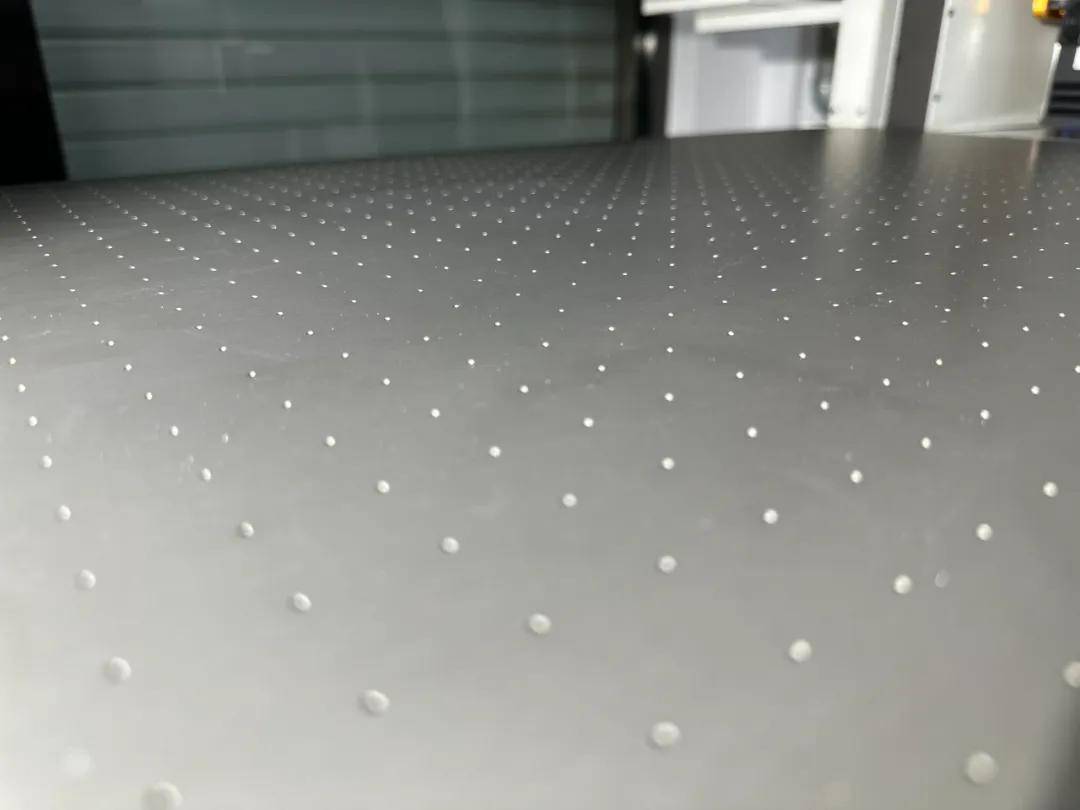
(Actual photo of the suction table of Top printing UV printer)
With the recent rise in temperature and decrease in air humidity, there is more dust and static electricity is occurring more frequently.
The most direct impact of static electricity on UV printers is that the ejected ink droplets are deflected due to static electricity , causing "ink splatter" or "ink splashing," which severely degrades print quality. In severe cases, it can even burn out the circuitry.
Therefore, removing static electricity becomes an important part of machine maintenance. You can follow these methods:
- The machine must be grounded according to standard : connect a ground wire to the machine casing to an iron rod or copper pipe and extend it 1.5 meters into the soil.
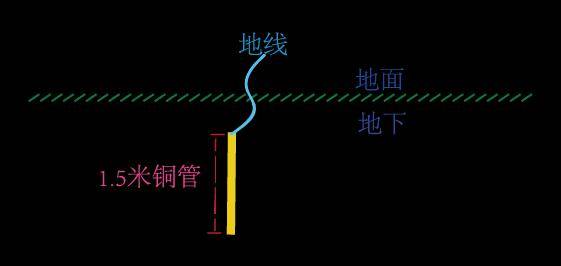
- Wipe the surface of the material with alcohol before printing .
- Install an anti-static stick to eliminate static electricity.
- To maintain indoor air humidity, it is necessary to keep it between 40% and 80% . If necessary, use a humidifier to increase indoor humidity.
The above maintenance plans are all suggestions; please implement them with caution according to the actual situation.
At the intersection of advertising signage and industrial aesthetics, the fusion of PVC panels and UV printing technology is redefining the creative boundaries of "material as medium." From simulated stone textures on building facades to three-dimensional reliefs in commercial exhibitions, from flexible production through personalized customization to the commitment to quality in large-scale manufacturing, Top Printing UV printers break through the constraints of traditional processes with "zero-contact printing," turning every PVC panel into a canvas for creativity.
As the winds of Industry 4.0 sweep through the printing workshop, we must be keenly aware that the warmth of technology lies not only in the precision of its parameters but also in the reverence for detail—whether it's the meticulous wiping of the printing plates with an alcohol swab or the keen observation of the slightest movement of a hygrometer needle, these are all humanistic touches behind the words "intelligent manufacturing." Top printing Technology firmly believes that true industry upgrading is never a solitary endeavor of equipment, but rather a smart symbiosis of human-machine collaboration.
The future is here. Within the honeycomb structure of PVC sheets, and in the precise landing of UV ink droplets, an industrial revolution concerning efficiency, aesthetics, and sustainability is quietly taking shape. Tune in to "Technology Lens" to explore the boundless possibilities of intelligent industrial manufacturing, using technology as the yardstick and innovation as the pen.