
In today's rapidly evolving digital printing technology, ink stacking, as a core technological breakthrough in the UV printing field, is redefining the dual experience of sight and touch. Through the high-precision equipment and material innovations developed by companies like Top Printing, this process has moved from the laboratory to industrialization, injecting new vitality into fields such as advertising signage, high-end packaging, and art reproduction. This article will systematically analyze the technical principles, key implementation points, and innovative applications of ink stacking, revealing how it achieves a three-dimensional aesthetic of "what you see is what you touch."
1. Overview of Ink Pile Technology: A Technological Leap from Two-Dimensional to Three-Dimensional
What is the ink-piling process?
The ink-stacking process creates a physical raised structure through multiple layers of UV white ink, which, combined with colored graphic overlay, produces a composite pattern that combines 3D visual effects with an embossed tactile feel. Its core lies in using printhead grayscale control technology to precisely adjust the ink layer thickness, ultimately constructing millimeter-precision three-dimensional shapes on surfaces such as acrylic and metal.
Schematic diagram of the actual effect of ink stacking process
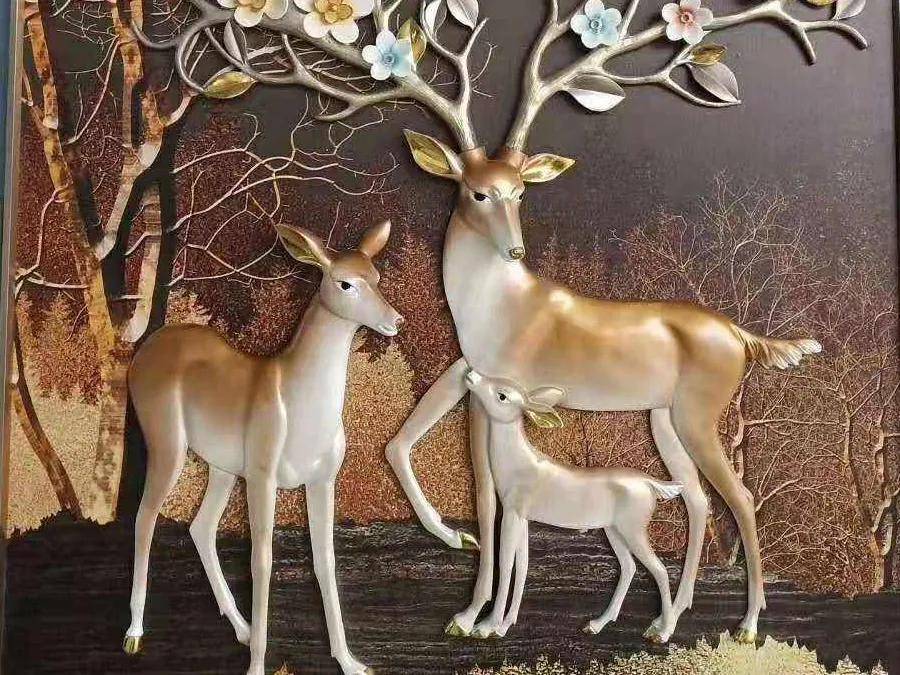
Ink-stacking printing is the core method for achieving UV-printed embossed products.
The innovation of colored relief sculpture lies in combining the charm of traditional carving techniques with colorful painting techniques, resulting in products with a strong three-dimensional effect and excellent visual appeal. In other words, products with a relief effect offer a dual sensory experience of touch and sight .
The printing principle of embossed effects: Currently, 3D embossing on the market mainly uses UV white ink to build up (ink layering) . The thicker the layer, the clearer the effect. Then, the software controls the white ink to be stacked into uneven ink layers, and finally, colored graphics are covered on such white ink layers.
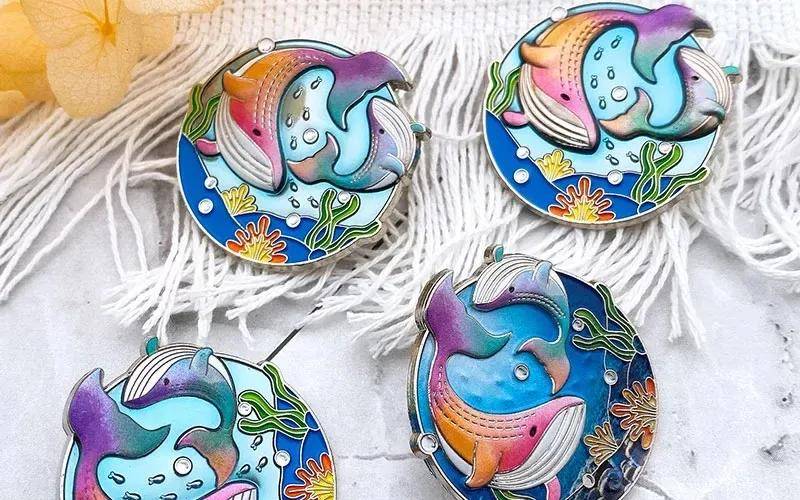
2. The Principle of Achieving Relief Effect: The Art of Layering Light and Ink
The meaning of 3D relief effect
3D relief effects encompass both 3D and embossing effects. 3D effects provide a visual experience, while embossing effects provide a tactile experience. 3D effects primarily offer a visual sensory experience, typically achieved through image processing software that adds depth to a pattern, creating a three-dimensional visual effect. Embossing, on the other hand, creates a realistic tactile relief effect. This is achieved through UV printing technology, where multiple layers of white ink are applied to create a textured surface. Subsequent overlaying with colored patterns results in a three-dimensional image that is both visible and tactile.
The imaging principle of 3D embossed UV printing: The core of the three-dimensional/embossed effect is to create a certain thickness of UV ink in a designated area of the pattern through repeated printing or continuous ink deposition. Utilizing the printhead's grayscale control (variable droplet size) and multi-channel deposition function, layers are stacked, with each layer of UV ink curing once, ultimately achieving a raised structure. Commonly used materials include rigid or semi-rigid substrates such as transparent acrylic, metal plates, leather, PVC, and PET film. Different printing channels can be controlled in different areas to achieve composite effects such as localized high, flat, or bright areas.
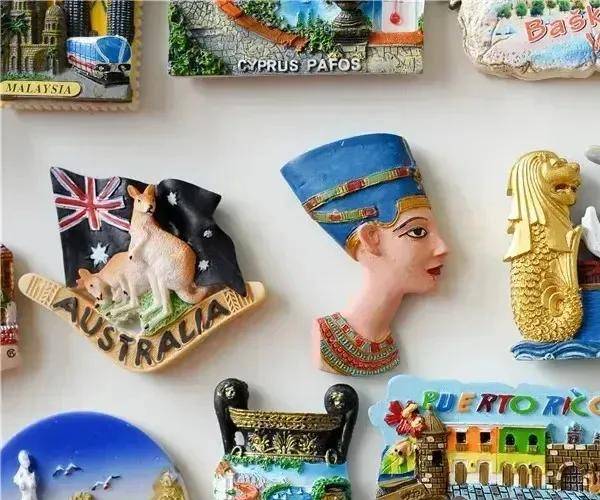
Equipment requirements and application fields of ink stacking process
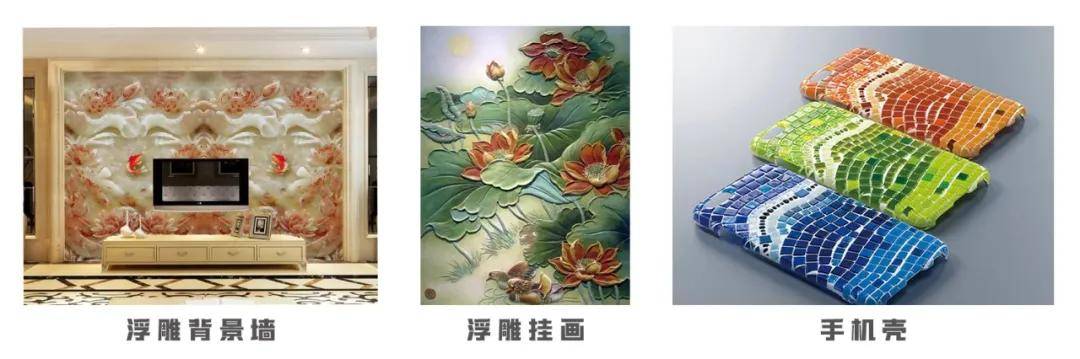
Practical application scenarios of ink stacking technology
The UV printing process with ink stacking has a wide range of applications, and the relief effect on the products is distinct and lifelike.
So, how is a relief effect achieved through ink layering? And what are its practical applications?
First, the equipment:
Your UV printing equipment needs to meet the following conditions to achieve a perfect embossed effect:
White ink channel: When designing on an image, you need to create a white ink channel with a stacking effect.
Embossing printing mode: Set the embossing printing mode in the UV printer's control software.
Dedicated UV printer: Using a dedicated UV printer can ensure the best possible printing results.
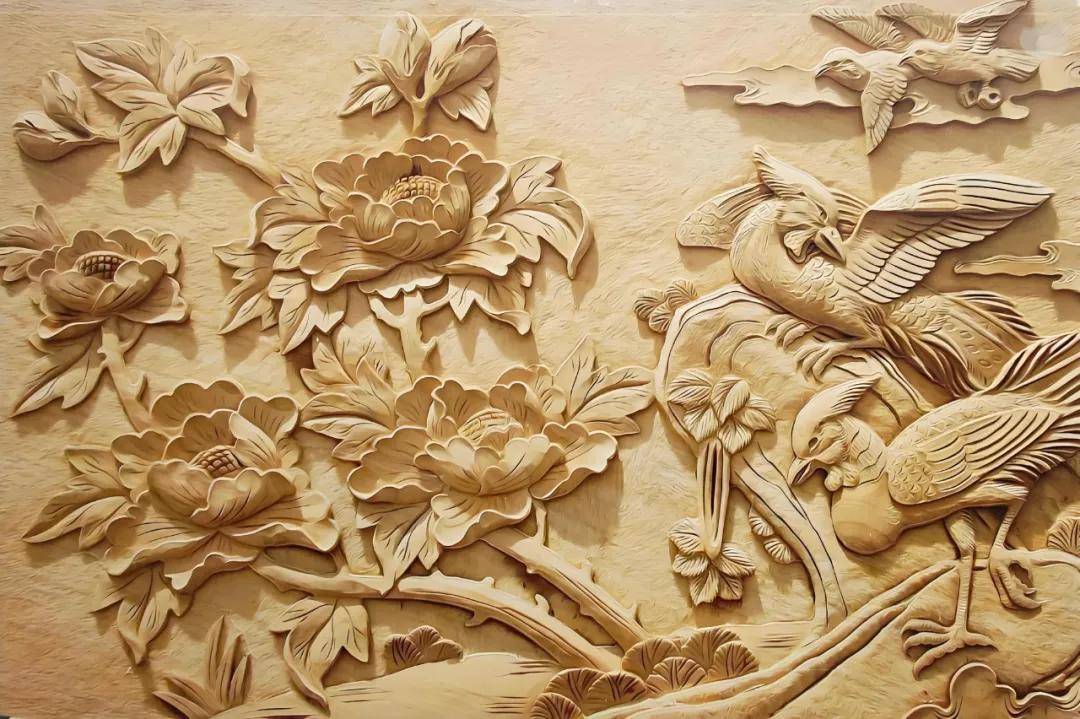
The sequence of 3D relief UV printing
Taking a standard relief structure as an example, the printing sequence is usually as follows:
- Apply white ink as a base (to enhance coverage).
- Color ink pattern printing
- Multiple layers of varnish are applied (to achieve a 3D effect).
- Top clear protection or matte finish (optional)
- Clear varnish can also be used alone to create transparent embossed patterns (such as colorless logo embossing, anti-counterfeiting embossing, brand textures, etc.).
Precautions for printing:
- All printed layers require UV instant curing to prevent flow and pattern ghosting;
- The varnish layer should not be too thick and should not be piled up at once. It is recommended to print in layers and cure multiple times.
- High temperature or high humidity environments can affect the curing effect, so it is recommended to control the printing chamber temperature to be stable .
- Unstable alignment accuracy can lead to embossing misalignment, ghosting, and uneven ink buildup at the edges.
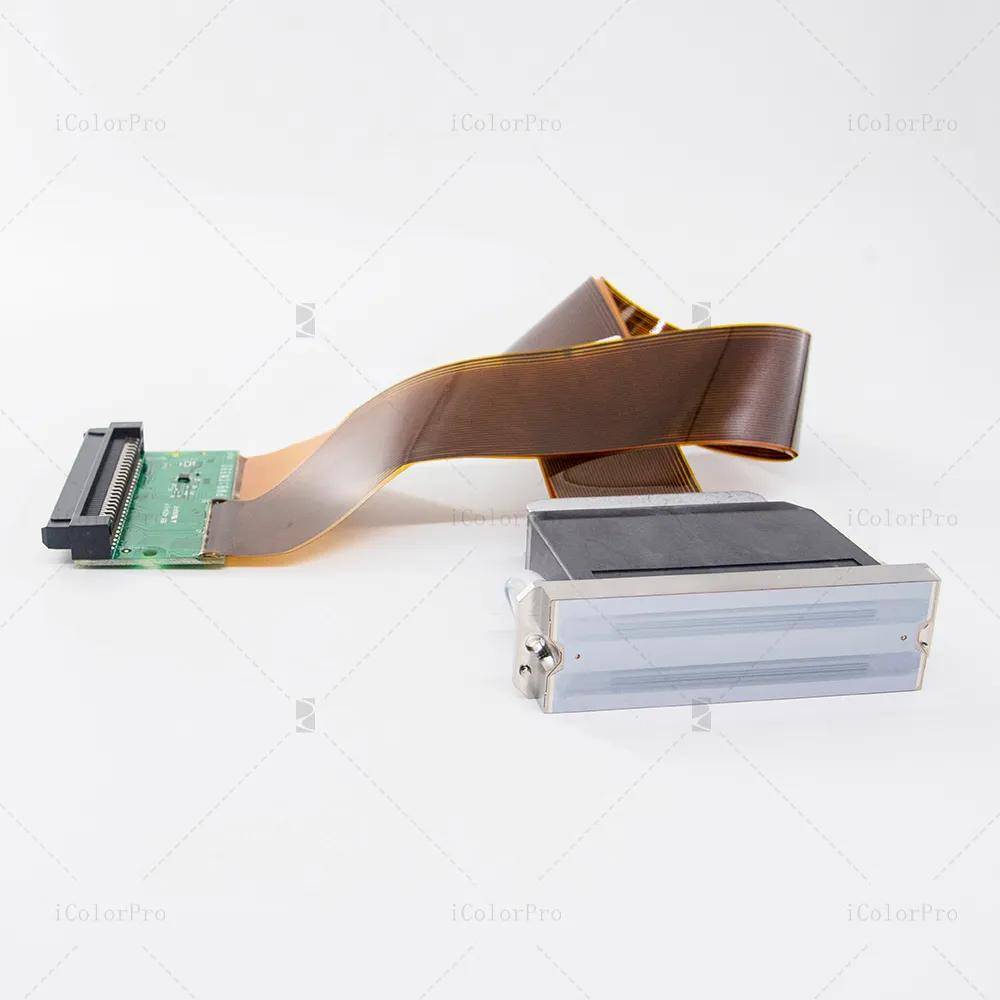
Requirements for 3D relief UV printing
Key equipment requirements:
Printheads that support grayscale printing include: Ricoh Gen5, Gen6, Toshiba CE4M, and Kyocera.
- Precision positioning platform: High alignment accuracy is required for multi-layer overprinting, and the platform must be stable.
- High-output UV light source: Each layer of ink must be fully cured to avoid flow and deformation.
- Software that supports multi-pass printing: Requires importing 3D layer information (white image/stereo image/color image layers).
Image file requirements
3D relief printing must use a layered file structure, and common methods are as follows:
- Color image (color layer)
- Gloss varnish (highlight layer or 3D layer)
- Masking layer (used to enhance the opacity of the underlying layer)
- Most software supports using the varnish layer as a transparency channel/black and white image/height map to control the thickness of the printed area.
Note: For 3D layers, a gradient black and white image is generally used to control the printing thickness (black = more ink, white = less ink).
UV ink requirements
- For adhesion and finished product stability , the ink must have good adhesion to prevent stacking, peeling, or edge curling.
- Rheological properties and edge control : The ink should set quickly after being dispensed and not spread easily. Excessive fluidity will cause the layer to expand at the edges and the varnish to clump and become blurry.
- Curing speed and light response are crucial factors . Printing embossed layers typically involves a "print one layer → cure immediately → print the next layer" process. If the ink has a slow response to the UV band, it may cause problems such as insufficient ink buildup.
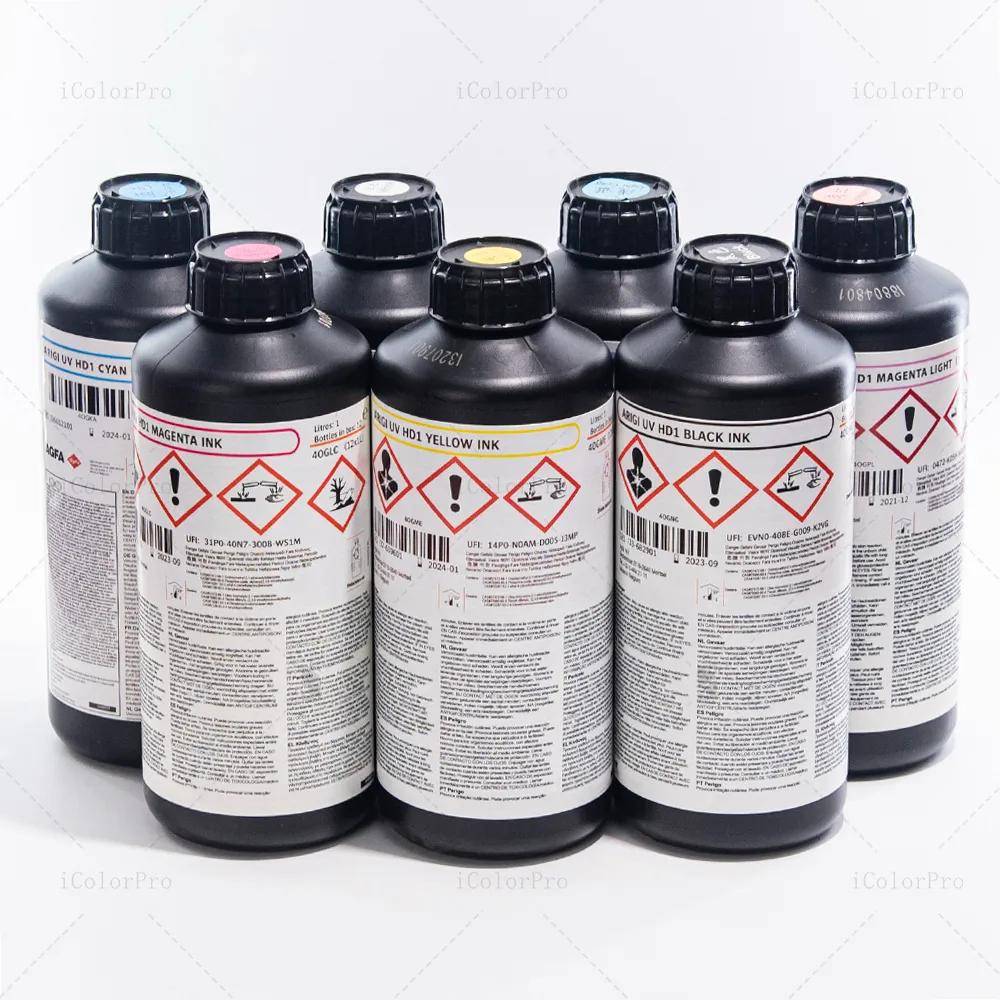
Applications of 3D relief UV printing
UV printers can quickly produce exquisite textured paintings, oil paintings, background walls, and other home decorations. They are also used for phone cases, beverage cans, gift boxes , and packaging on wood and metal sheets .
- High-end packaging: embossed logo, highlighted areas, brand texture.
- Phone case decoration: embossed patterns, contrasting glossy and matte finishes.
- Cosmetic bottle body: colorless embossed design, three-dimensional texture of brand name
- Personalized decorative paintings: layering of metallic textures and three-dimensional effects
UV embossing not only achieves a visually three-dimensional effect, but also provides a highly layered and substantial tactile experience, enhancing the product's aesthetics and value, making it more appealing to consumers.
(The above solutions are all suggestions; please implement them with caution based on the actual situation.)
Let's take a look at some original, unique, and interesting works printed by UV printers. Each piece has its own characteristics and advantages, and they are all surprising in terms of creativity, printing process, and final presentation. You might even find it hard to believe that they were printed with a UV printer.
(1). Jeans printed using a combination of Droptix 3D naked-eye technology and multi-layer ink deposition technology are so realistic that they are difficult to distinguish from real jeans by touch.
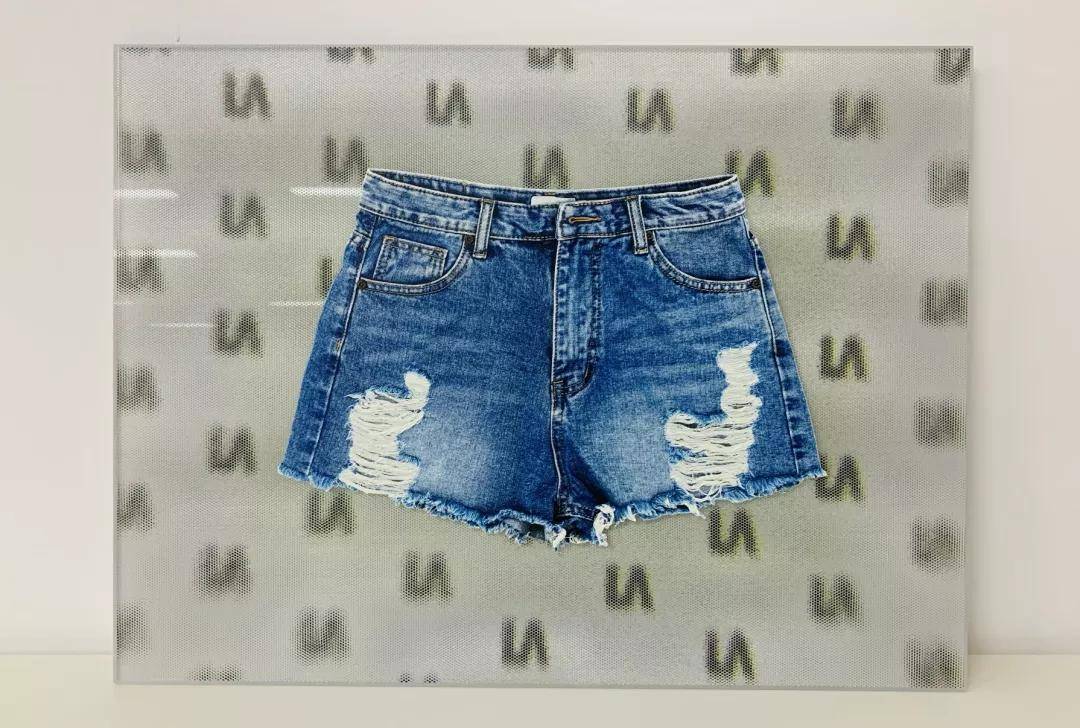
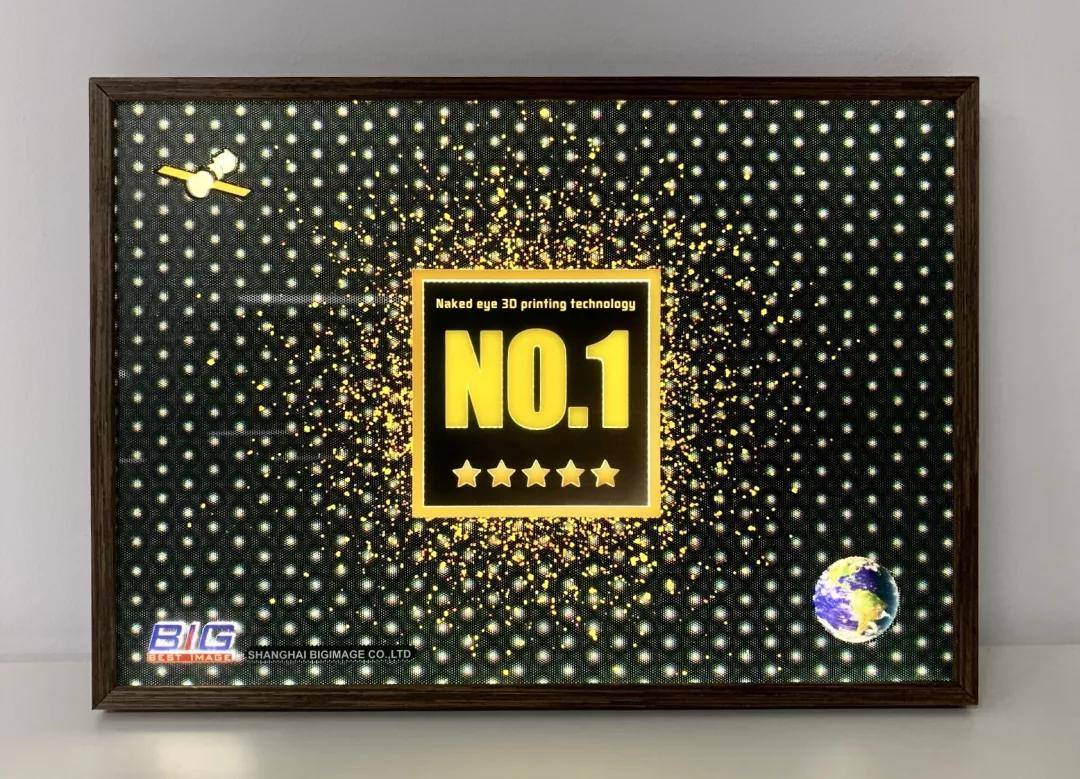
(2). A single artwork can simultaneously utilize both dot lenticular and linear lenticular techniques to create a variety of different three-dimensional effects.
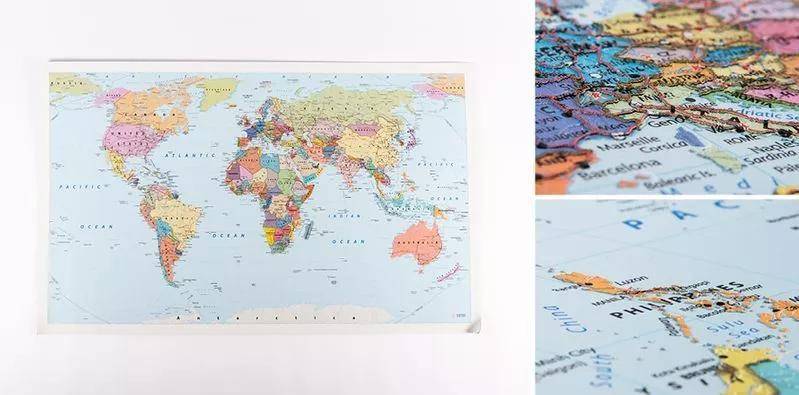
(3). Islands smaller than 3 square millimeters on a world map can be printed clearly and accurately.
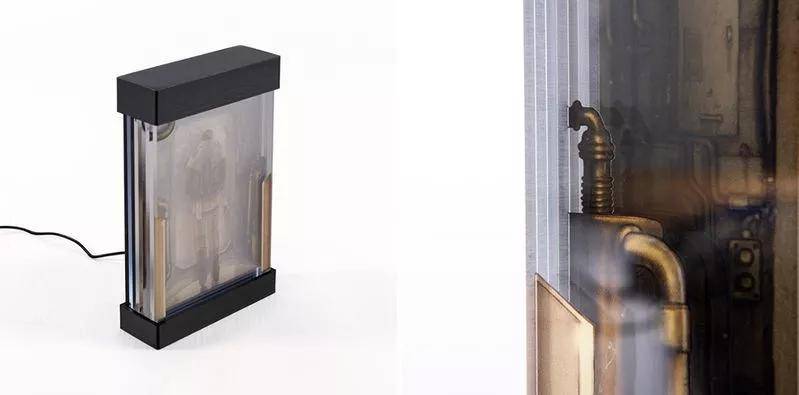
(4). The astronauts printed using a multi-layer ink deposition process, combined with lighting, present a realistic three-dimensional effect.
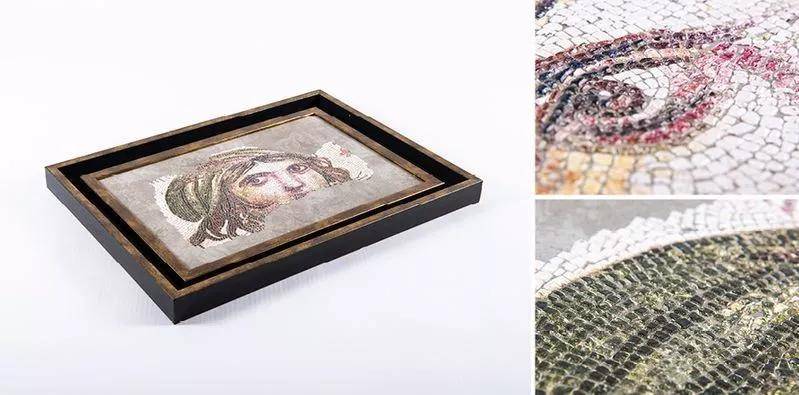
(5). Replicas of museum artworks are printed with clear mosaic textures and then evenly sprinkled with gold powder.
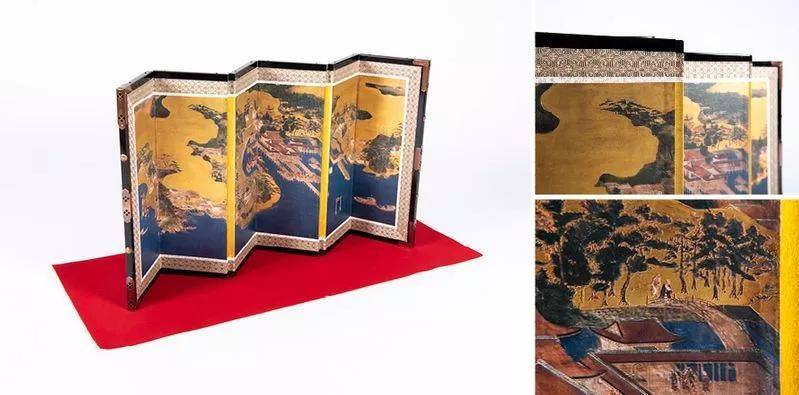
(6). The surface has a slight texture, and the flat printing produces an effect similar to gold leaf and gold leaf imitation, achieving the feel and visual appeal of traditional Japanese painting (shell lacquer).
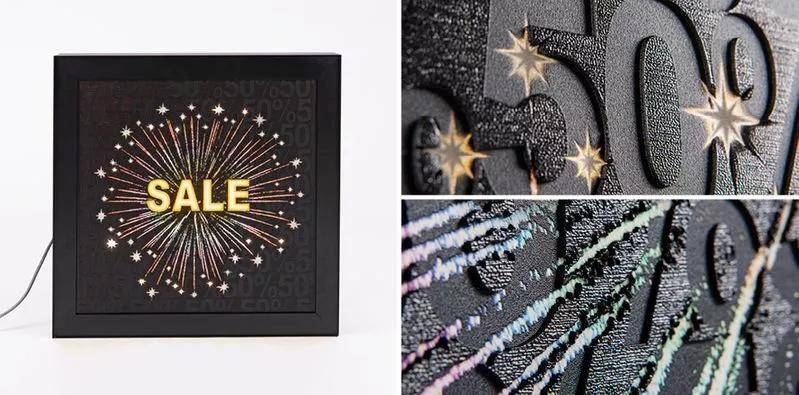
(7). Front 3D texture printing combined with backlighting creates a starlight-like effect.
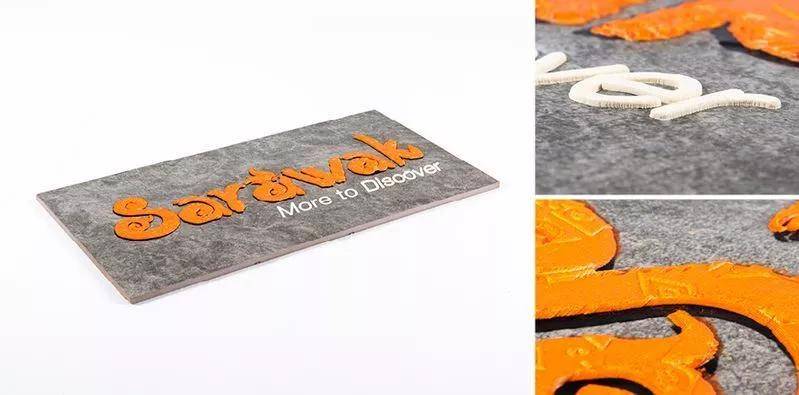
(8). Printing an uneven logo effect on granite creates a unique indoor signage.
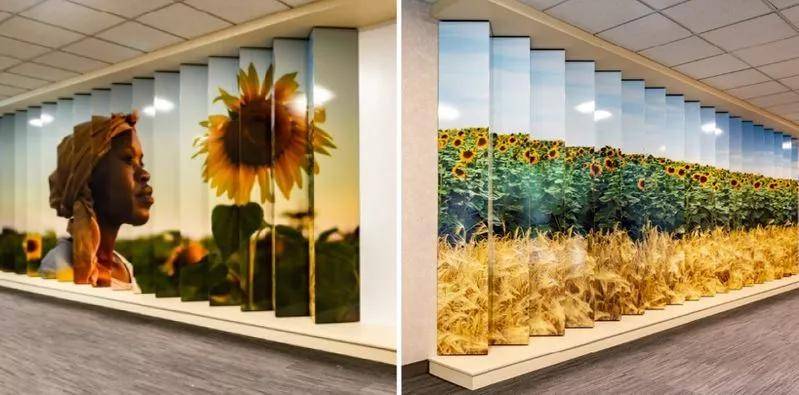
(9). The 2.4x7.4m super-large curved installation, with such a large bending angle, did not show any cracks in the image.
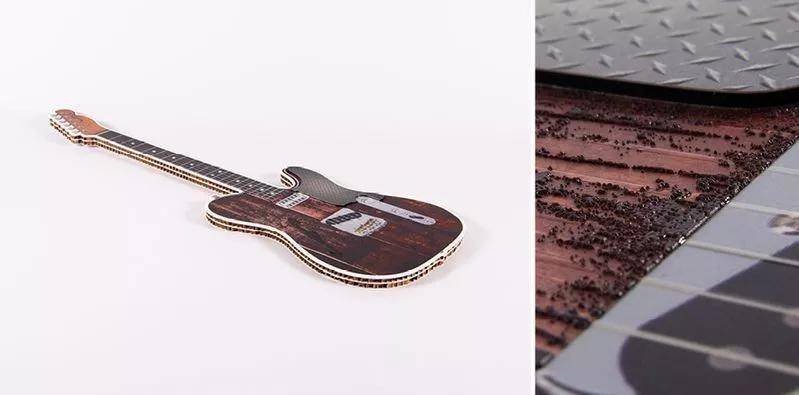
(10). With its dimensions of 1050×357 mm, it's like a real guitar sitting there. The precise ink application and varnishing that can be achieved on different materials enhance the feel of the product. I really want to use it to play beautiful music.
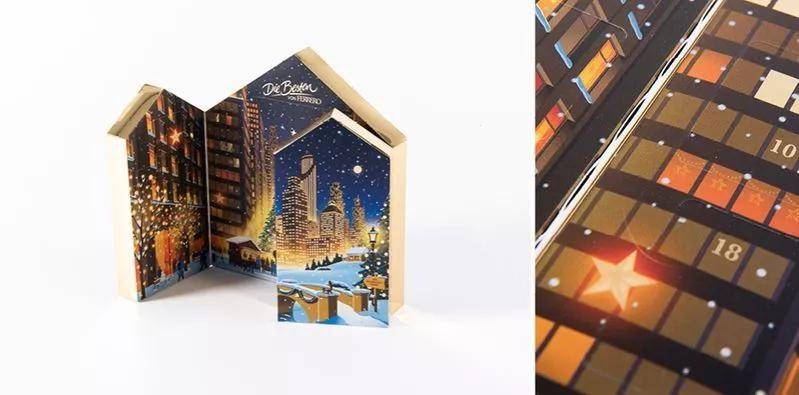
(11). A moving calendar with a printing effect that gives it a metallic feel.
(12). A creative idea derived from a spider web, combined with front lighting, allows you to see water droplets in the shadows.
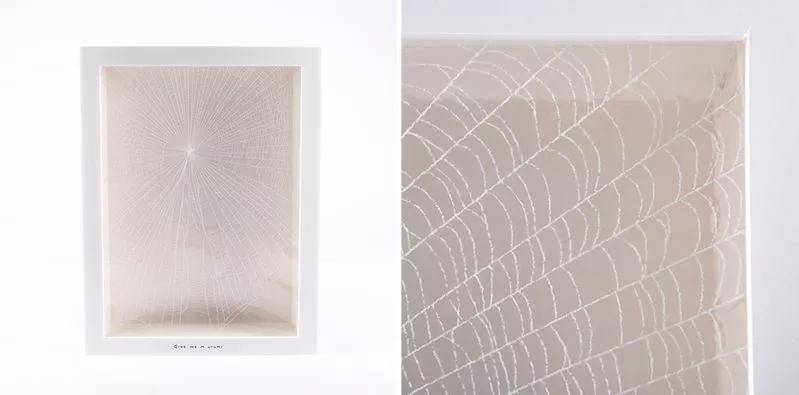
(13). Winning entry from the 2019 ONE SHOW, with some areas highlighted using high-gloss varnish.

(14). Using ink stacking and Braille printing modes, a playground sign map was customized for blind friends.
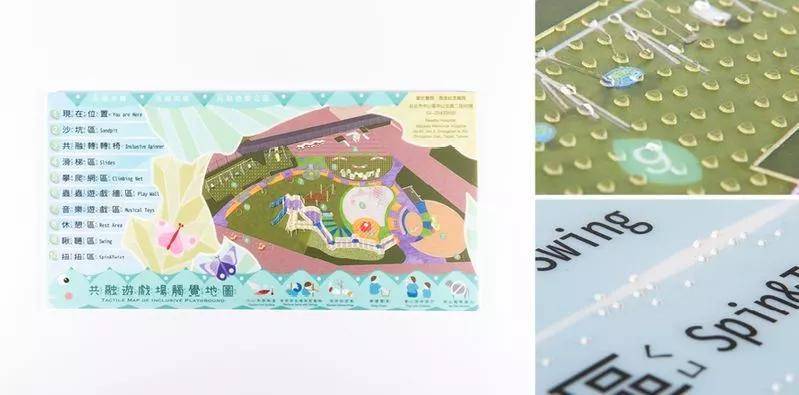
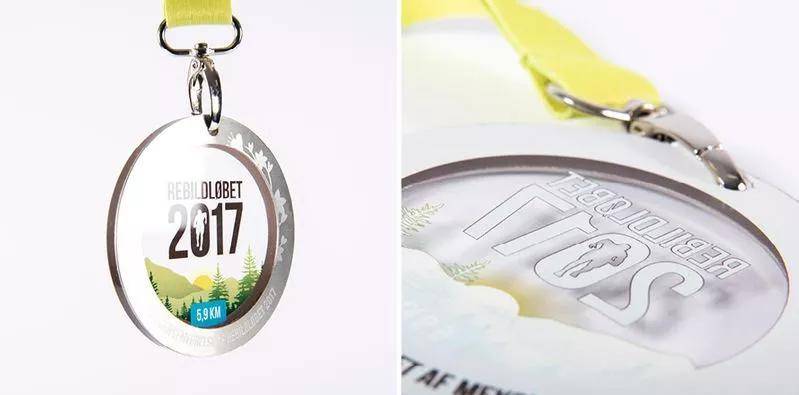
(15). Customized Charity Running Medals
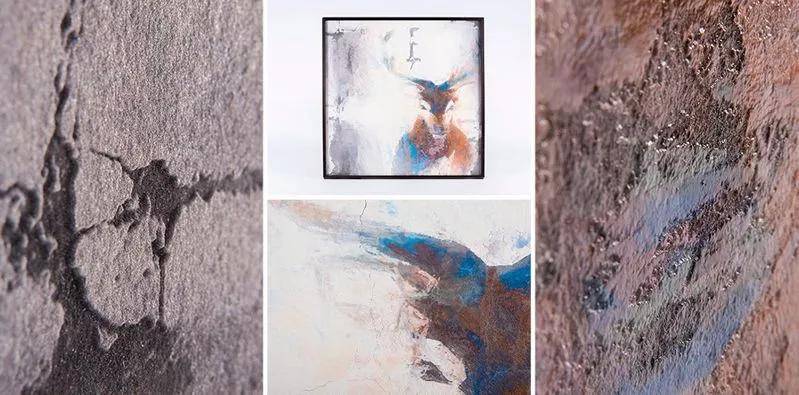
(16). Interior decorative paintings printed directly on the plaster base are so realistic that you would think they were originally growing on the wall.
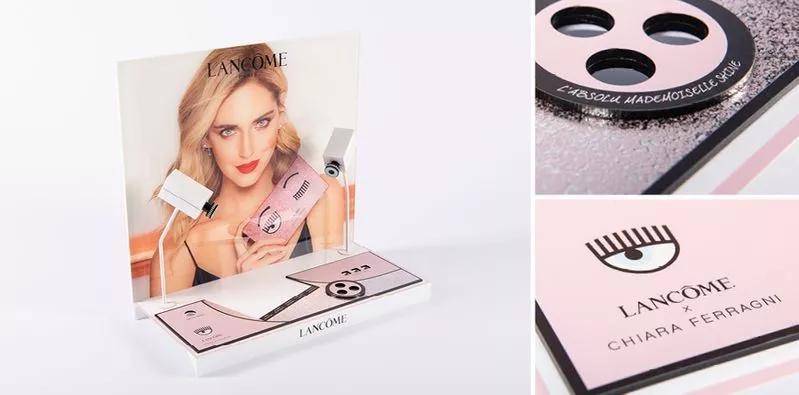
(17). Lancôme advertising display stand, using ink layering and varnish to create different three-dimensional effects.
Touching the Future of Printing
Ink-stacking technology is not only a technological breakthrough, but also a key to unlocking the era of immersive experiences. From the starlight effect of Lancôme's advertising display to the biomimetic texture printing on stucco walls, companies like Top Printing are making "what you see is what you get" 3D printing a reality through continuous innovation. Whether it's the differentiated expression sought by commercial brands or the precision markings required by industrial manufacturing, this technology demonstrates its powerful potential to reshape product value. In the future, with the deep integration of materials science and AI design, ink-stacking technology will undoubtedly create even more tactile wonders beyond imagination.