
In the rapidly evolving world of custom apparel, standing out requires more than just outstanding design; it also demands quality and depth. 3D DTF ( Digital Transmission Technique) printing has become one of the hottest trends in the 2026 streetwear market, offering a premium feel comparable to high-end embroidery without the complex processes and exorbitant costs. This guide will take you through everything you need to master 3D printing technology.
1.What is 3D DTF three-dimensional printing?
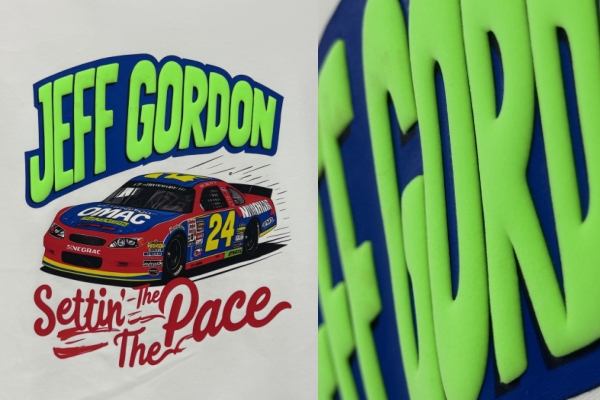
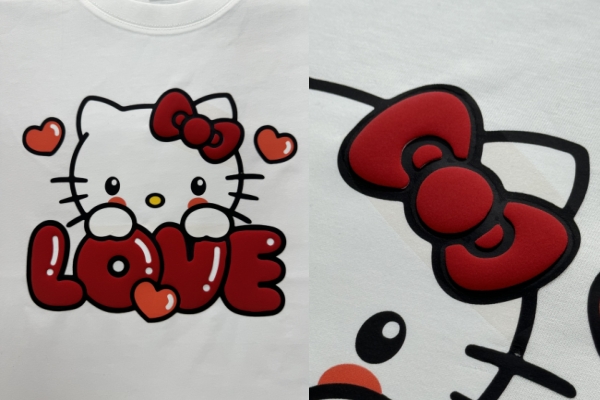
Unlike standard direct transfer printing (DTF), which lays flat on fabric, 3D Puff DTF uses a special heat-activated foaming agent. Under the right temperature and pressure, the ink expands vertically, creating a "fluffy" or raised effect. This transformation adds a professional, premium feel to garments, making them truly "leap" off the surface.
2.Basic Design Rules of 3D Printing
Designing for 3D effects is very different from designing for flat print. Because ink spreads outwards as it rises, you must carefully design your work to accommodate this "bleeding" effect.
(1) Increase tracking and spacing. As ink spreads, letters and details can bleed into each other. It is recommended to increase character spacing by at least 20% to maintain legibility.
(2) Note that ultra-fine foam tubing lacks sufficient foaming agent to induce a noticeable rise. Ensure all foam tubing weighs at least… 2pt .
(3)Avoid using large, solid areas. Large , three-dimensional prints may be too stiff and uncomfortable to wear. Use openwork patterns or distressed textures to maintain the flexibility of the garment while achieving a 3D effect.
3.Professional Workflow: Perfect "Popular" Printing
To achieve the maximum height (typically 2-3 mm), precise operation is required. While some amateur methods suggest a single press, for professional-grade results, multiple presses are best. Two-step process .
Step 1: Anchoring Pressure
Set the heat press to 285°F – 300°F (140°C – 150°C) , place the transfer paper, and press the button. 10 seconds. Use medium to light pressure. The purpose here is to bond the adhesive to the fibers, but not to immediately induce full expansion.
Step 2: Warm exfoliation
Wait approximately 5–10 seconds. After turning on the printing press, perform one operation. Carefully peel off the film from the warm fruit peel . Peel it off while the ink is still slightly soft to prevent the edges from curling up.
Step 3: Press "Pop-up"
This is a crucial stage for the 3D effect to appear. Cover the pattern with a protective film (such as Teflon paper or parchment paper), then press again. 8 to 10 seconds .
Key rule : Use light pressure. In the second printing process, excessive pressure acts like a ceiling, crushing the foaming agent and preventing the ink from expanding fully.
4.Choose the right fabric
The success of 3D printing often depends on the "preparation material" you choose. The weave structure of the fabric provides the basis for three-dimensional expansion.
• 100% Heavyweight Cotton: This is the gold standard. Stable fibers in cotton fabric weighing over 6 ounces provide optimal support for vertical expansion.
• The thickness of fleece and hoodie wool complements the 3D texture perfectly, making them a top choice for streetwear icons.
• Extra care should be taken when using polyester blends with highly synthetic fiber fabrics. These fabrics can be slippery and easily scorched. For these fabrics, it is best to use a lower temperature range (285°F).
5.Solving common problems
If your 3D printing effect is not optimal, please check the following common mistakes:
• Flat or “trimmed” texture This is almost always caused by the following: too much pressure . When pressing a second time, reduce the pressure and let the heat work.
• Uneven expansion ensures uniform heating of the hot press plates. An infrared thermometer is used to confirm the absence of cold spots.
• Peeling after washing indicates insufficient heat and time during the first ironing to allow the adhesive to melt into the clothing fibers .
6.Conclusion: Enhance your brand image with Dimension.
3D heat transfer technology bridges the gap between ordinary heat transfer printing and expensive industrial embroidery. By mastering "3D" embossing techniques and following clever design principles, you can provide customers with high-quality products that they will love. In a market saturated with graphic design, adding a sense of three-dimensionality is the quickest way to enhance perceived brand value.